
A recovery promise needs more than a product label
Retail cannabis products should not be assumed to improve muscle repair, reduce inflammation or speed recovery because of a strain name or cannabinoid ingredient. This guide does not recommend cannabis as a workout recovery treatment.
Persistent pain deserves assessment
Retail product names and staff recommendations do not establish a treatment for a health condition. Discuss symptoms, medications and cannabis use with a qualified healthcare professional. Do not change prescribed treatment based on this guide. Pain after exercise may have different causes. Do not use a retail recommendation to postpone assessment of an injury or ongoing symptoms.
Avoid impairment during activity
Cannabis can affect attention, coordination and reaction time. Do not drive or operate equipment after use. Consider the demands of your activity, route home and surroundings before consuming.
Understand the product format
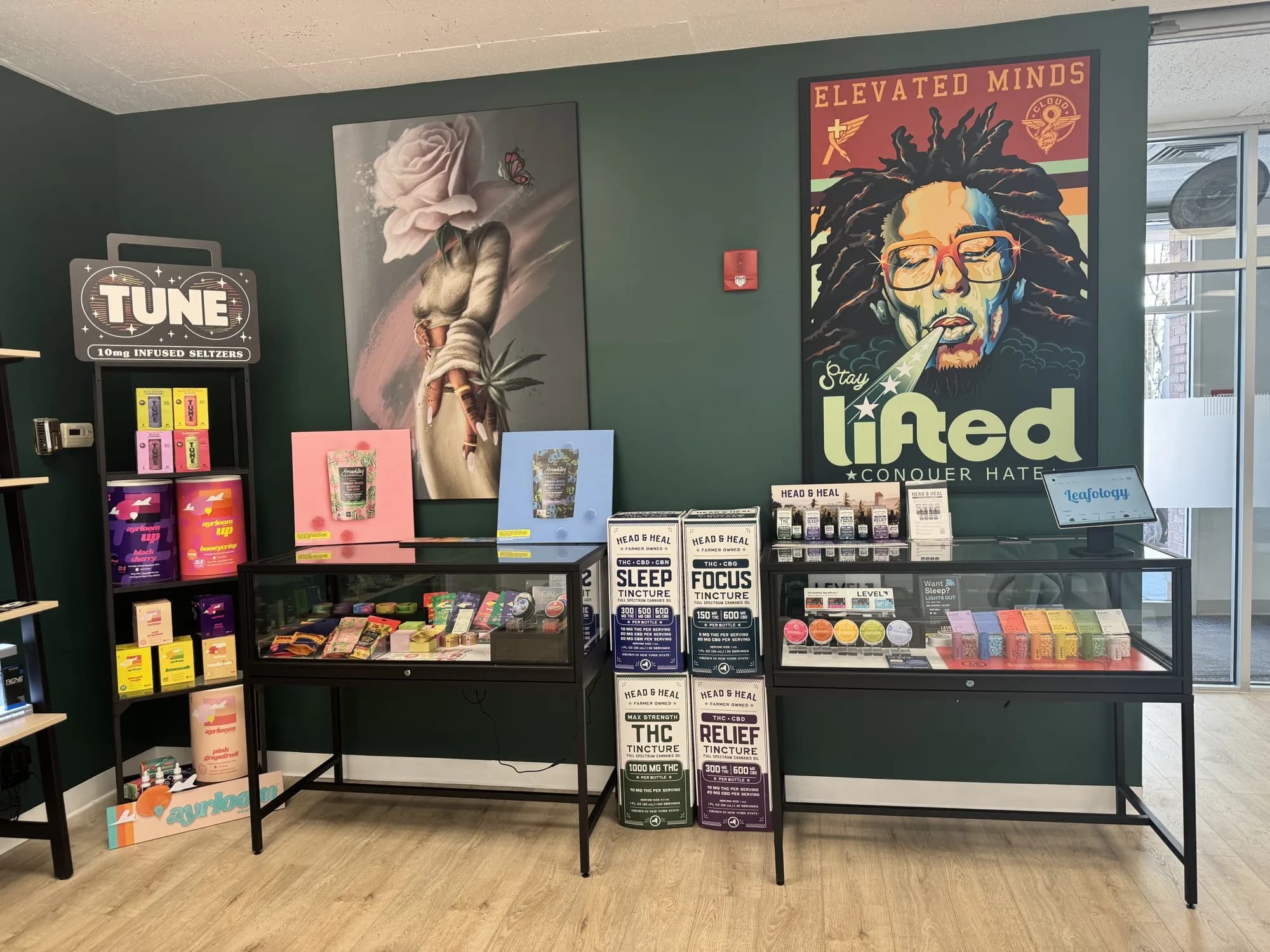
Check THC and other cannabinoids per serving, the number of servings, total package content, ingredients and warnings. A package total is not a single-serving recommendation. Match a certificate of analysis to the product and batch number. Topical, edible and inhaled products are different; do not transfer dosing or effect claims from one route to another.
Edible timing still matters
Edible effects can be delayed. CDC describes an onset of 30 minutes to 2 hours, while New York requires a package warning that effects may be delayed 4 or more hours. These are not instructions to take another serving at a fixed time. Taking more before the full effects are known increases the risk of poisoning.
Ask informed questions
Bring the ingredient list and cannabinoid label to your healthcare professional when discussing medication interactions, pain or cannabis use. Ask store staff for product information and batch documentation, not a recovery regimen.